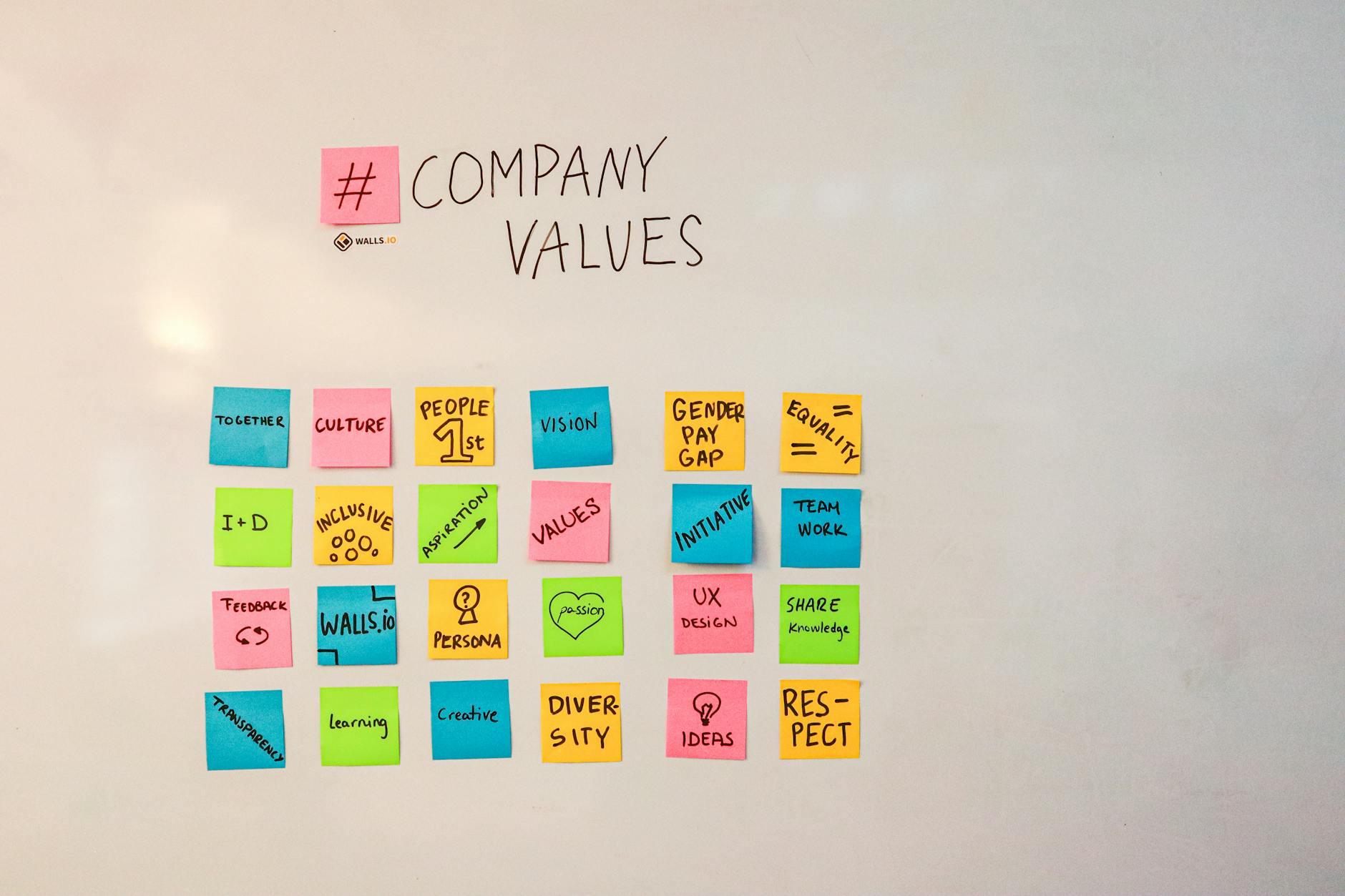

Agile methodology is a set of principles and practices for software development that prioritizes flexibility, collaboration, and iterative delivery over rigid planning and extensive documentation. Unlike traditional waterfall approaches where projects follow a linear sequence—gather requirements, design, build, test, deploy—Agile breaks work into small cycles called sprints, typically lasting one to four weeks, with teams delivering functional software at the end of each cycle. A financial services company, for example, might use Agile to release new payment features every two weeks rather than waiting six months for a complete platform overhaul, allowing them to respond to customer feedback and market changes much faster.
At its core, Agile is built on four foundational values defined in the Manifesto for Agile Software Development: prioritizing individuals and interactions over processes and tools, working software over comprehensive documentation, customer collaboration over contract negotiation, and responding to change over following a predetermined plan. These values reject the idea that success comes from perfectly documenting requirements upfront or rigidly adhering to a plan—instead, they assume that requirements will evolve, that teams need autonomy and communication, and that the best measure of progress is actually delivering something that works. The methodology has become the dominant approach in software development and is increasingly adopted in marketing, project management, and other fields. Understanding Agile means understanding not just a set of processes, but a fundamentally different mindset about how teams should organize their work, communicate with clients, and adapt to uncertainty.
Table of Contents
- What Are the Four Core Values of Agile Methodology?
- The Twelve Principles Behind Agile: Going Deeper into the Philosophy
- Key Roles and Team Structure in Agile Frameworks
- How Agile Teams Implement Values and Principles in Daily Work
- Common Agile Pitfalls and When the Methodology Falls Short
- Scrum vs. Kanban: Choosing the Right Agile Framework
- The Evolution and Future of Agile in Modern Development
- Conclusion
What Are the Four Core Values of Agile Methodology?
The Agile Manifesto, written by 17 software development thought leaders in 2001, distilled decades of experience into four core values that remain unchanged today. These values set Agile apart from command-and-control project management styles. The first value—individuals and interactions over processes and tools—means that Agile teams trust their people rather than relying on rigid workflows or software systems to enforce compliance. A developer who spots a critical bug should feel empowered to fix it immediately rather than filing a ticket and waiting for approval. The second value, working software over comprehensive documentation, flips conventional wisdom. Traditional project managers might spend weeks writing detailed specifications before writing a single line of code.
Agile teams instead write code early, get it in front of users, and iterate based on feedback. This doesn’t mean documentation is abandoned entirely, but it’s written just-in-time and kept minimal. The third value, customer collaboration over contract negotiation, acknowledges that requirements are often unclear at the start. Rather than signing a contract that locks in scope and budget, Agile teams work in partnership with clients, regularly reviewing progress and adjusting priorities. The fourth value, responding to change over following a plan, directly contradicts the traditional project management mantra of “if you fail to plan, you plan to fail.” Agile instead assumes change is inevitable and builds flexibility into how work is organized. One practical example: an e-commerce startup building a checkout system with Agile methods would have developers working directly with product managers and customer support staff, creating simple prototypes, deploying them to real users, and adjusting the design based on what they learn about how customers actually use the system. A traditional approach might spend three months perfecting the specifications before a single line of code is written, only to discover the design doesn’t work when users first see it.

The Twelve Principles Behind Agile: Going Deeper into the Philosophy
While the four values define Agile’s spirit, the twelve principles provide more concrete guidance on how to apply those values in practice. These principles cover customer satisfaction, team structure, communication, technical excellence, and continuous improvement. The first six principles emphasize delivering value frequently. Agile teams aim to satisfy customers through early and continuous delivery of valuable software, welcome changing requirements even late in development, and deliver working software in short timescales—typically two weeks to two months, with shorter cycles preferred. This contrasts sharply with traditional development, where requests for changes after the design phase are viewed as problems to be managed, often with change orders and cost increases. Agile treats them as normal and expected. The next four principles focus on how teams should organize: business people and developers should work together daily, projects should be built around motivated individuals with the environment and support they need, face-to-face conversation should be the primary way information flows, and working software should be the primary measure of progress—not documentation completed, meetings held, or hours logged.
The remaining two principles address long-term sustainability and team effectiveness. Agile promotes sustainable development with a constant pace that can be maintained indefinitely, avoiding the burnout that comes from sprint-based crunch periods. It also emphasizes continuous attention to technical excellence and good design, because shortcuts today create debt that slows teams tomorrow. Perhaps most importantly, the final principle states that the best architectures and designs emerge from self-organizing teams that regularly reflect on how to become more effective and adjust their behavior accordingly. A common pitfall, however, is that teams sometimes misinterpret these principles as “move fast and break things” without the “sustainable pace” or “technical excellence” parts. A startup that delivers a feature every week but cuts corners on code quality eventually hits a wall where simple changes take weeks because the codebase is a mess. True Agile balances speed with craftsmanship.
Key Roles and Team Structure in Agile Frameworks
Agile doesn’t prescribe a single role structure—it depends on which framework a team chooses. The two most popular frameworks, Scrum and Kanban, have very different approaches to roles. In Scrum, there are three clearly defined roles. The Product Owner manages the product backlog—the prioritized list of features and improvements to be built—and works with stakeholders to ensure the team is building the right things. The Scrum Master manages the timeline and process, removing impediments that block the team’s progress and facilitating ceremonies like standups and sprint retrospectives. The Development Team consists of engineers and designers who execute the work within a sprint. This structure is highly intentional: the Product Owner decides what to build, the Development Team decides how to build it, and the Scrum Master protects the team from distractions and ensures the process is working.
Kanban, by contrast, doesn’t define formal roles at all. Instead, it’s built on the idea of visualizing work and continuously flowing items through defined stages—typically “To Do,” “In Progress,” and “Done.” Kanban teams maintain whatever role structure already exists and optionally introduce a Service Delivery Manager to guide the workflow and a Service Request Manager to handle incoming work. This makes Kanban easier to adopt in existing organizations without restructuring teams. The choice between Scrum’s defined roles and Kanban’s flexibility has significant implications. A startup might prefer Scrum because the clear structure prevents confusion as the team grows. A support team handling customer issues might prefer Kanban because work doesn’t naturally fit into two-week sprints—bugs and requests arrive continuously. According to the Atlassian 2024 State of Agile Report, 65% of Agile teams use some form of Kanban methodology, suggesting many organizations have found that the flexibility of Kanban outweighs Scrum’s structure, or they use a hybrid approach combining elements of both.

How Agile Teams Implement Values and Principles in Daily Work
Understanding Agile as a philosophy is one thing; practicing it is another. Real teams implement Agile through ceremonies, artifacts, and practices that embed these principles into daily work. In Scrum, a typical two-week sprint starts with Sprint Planning, where the team reviews the backlog, estimates effort, and commits to what they’ll deliver. Daily standups—brief 15-minute meetings—keep everyone aligned on what was accomplished, what’s being worked on, and what’s blocked. At the end of the sprint, the team holds a Sprint Review to demo completed work to stakeholders, and a Retrospective to discuss what went well, what didn’t, and what to improve next sprint. The sprint cycle repeats continuously, creating a rhythm that balances structure with flexibility. In Kanban, there are fewer ceremonies. Instead of sprints, work flows continuously through stages.
Work-in-progress (WIP) limits prevent teams from overloading—if three items are in progress and the limit is three, no one starts something new until something is finished. This forces focus and reveals bottlenecks. Kanban teams still do retrospectives, but they happen regularly (monthly or quarterly) rather than tied to sprint cycles. The practical result is different deployment rhythms. A Scrum team typically releases after each sprint, maybe twice a month. A Kanban team can deploy multiple times a day, because they’re continuously completing and releasing work. For a media company publishing content, Kanban might be more natural—articles and photos move through editing and publishing continuously rather than being batched into sprints. For a regulated industry like banking, Scrum’s defined cycles might provide better control and predictability.
Common Agile Pitfalls and When the Methodology Falls Short
Despite its widespread adoption, Agile isn’t a cure-all and comes with real limitations and risks when applied incorrectly. One dangerous pitfall is “Agile theater”—going through the motions of sprints and standups without actually embracing the underlying principles. A team might hold daily standups but still require tickets to go through five levels of approval before work starts. They might release on a two-week cycle but have a Product Owner who ignores user feedback and insists features are built exactly as originally specified. They check the boxes of Agile without gaining any of its benefits. Another common problem is that Agile requires disciplined communication. The principle about face-to-face conversation was written in 2001, before remote work was common. Remote teams can struggle with the spontaneous conversations and quick feedback loops that Agile assumes.
Video calls help, but they’re not the same as overhearing a design conversation and chiming in with a relevant concern. Teams that don’t invest in strong communication practices often find that Agile processes become bottlenecks rather than enablers. A third limitation is that Agile assumes requirements will evolve, but some projects genuinely do have fixed requirements and scope. Building software to run medical imaging equipment, for example, requires regulatory approval for specific features and fixed scope. Agile’s openness to change could lead to scope creep and regulatory problems. Similarly, Agile thrives with engaged stakeholders and product owners who can provide quick feedback. If the client is unavailable or indecisive, Agile teams can spin their wheels. Finally, teams sometimes use “Agile” as justification to skip technical planning entirely, resulting in architectures that are brittle and hard to scale. Agile doesn’t mean no planning—it means planning incrementally and continuously re-evaluating architectural decisions.

Scrum vs. Kanban: Choosing the Right Agile Framework
While both Scrum and Kanban are Agile frameworks, they make different tradeoffs that suit different contexts. Scrum provides structure through defined roles, timeboxed sprints, and a clear sequence of ceremonies. This structure is useful for teams that need accountability, predictability, and a rhythm to their work. It’s easier to estimate burndown and forecast when features will be done. Scrum also creates clear completion points, which can be psychologically rewarding for teams—you finish a sprint, you ship, and you celebrate before starting fresh. However, Scrum assumes work is batched into sprints, which doesn’t always reflect reality.
A critical bug found mid-sprint requires a decision: do you break the sprint commitment to fix it, or do you wait? Kanban, by contrast, handles continuous flow naturally. Work moves from backlog to done without the artificial boundaries of sprints, making it better suited for teams handling incoming requests or bugs. WIP limits prevent chaos by forcing focus and revealing bottlenecks. However, Kanban provides less structure, which can be disorienting for teams that prefer clear commitments and cycles. Without discipline, Kanban teams can drift into reactionary mode, always putting out fires and never working on strategic improvements. The 65% adoption of Kanban methodology in organizations, according to recent Agile reports, reflects growing recognition that many real-world scenarios—support, content management, continuous deployment environments—fit Kanban’s model better than Scrum’s sprint-based approach.
The Evolution and Future of Agile in Modern Development
Agile methodology has evolved significantly since the 2001 manifesto. What started as a software development practice has spread to marketing, product management, HR, and even manufacturing through frameworks like Scrumban (a hybrid) and SAFe (Scaled Agile Framework for large organizations). The future of Agile is likely to be increasingly tailored to specific contexts rather than one-size-fits-all.
Remote and distributed teams are normalizing asynchronous communication and rethinking which Agile ceremonies make sense. The rise of artificial intelligence and machine learning development is pushing teams to adapt Agile for experimental work with high uncertainty. Many organizations are moving toward continuous deployment and DevOps practices, which align with Agile’s goal of rapid feedback but require different process discipline than traditional Scrum sprints. The core values—individuals over processes, working software over documentation, collaboration over contracts, and responding to change—have proven durable and continue to guide how effective teams organize their work.
Conclusion
Agile methodology provides a framework for organizing software development and other complex work around continuous delivery, user feedback, and team autonomy rather than comprehensive upfront planning and strict adherence to requirements. The four core values and twelve principles reflect a fundamentally different approach to managing uncertainty: instead of predicting the future and building exactly what was planned, Agile teams assume requirements will change, build something usable quickly, learn from real usage, and iterate. Whether through Scrum’s structured sprints or Kanban’s continuous flow, the goal is the same—deliver value frequently, maintain sustainable pace, and keep teams responsive to change.
If you’re considering Agile for your team or organization, the implementation matters as much as the philosophy. Start with a single framework, learn what works in your specific context, and be willing to adapt. Agile is not a destination where you’ve finally “implemented Agile correctly,” but rather an ongoing practice of inspecting how your team works and continuously improving. The teams that get the most value from Agile are those that embrace both the values and the discipline required to make them work.