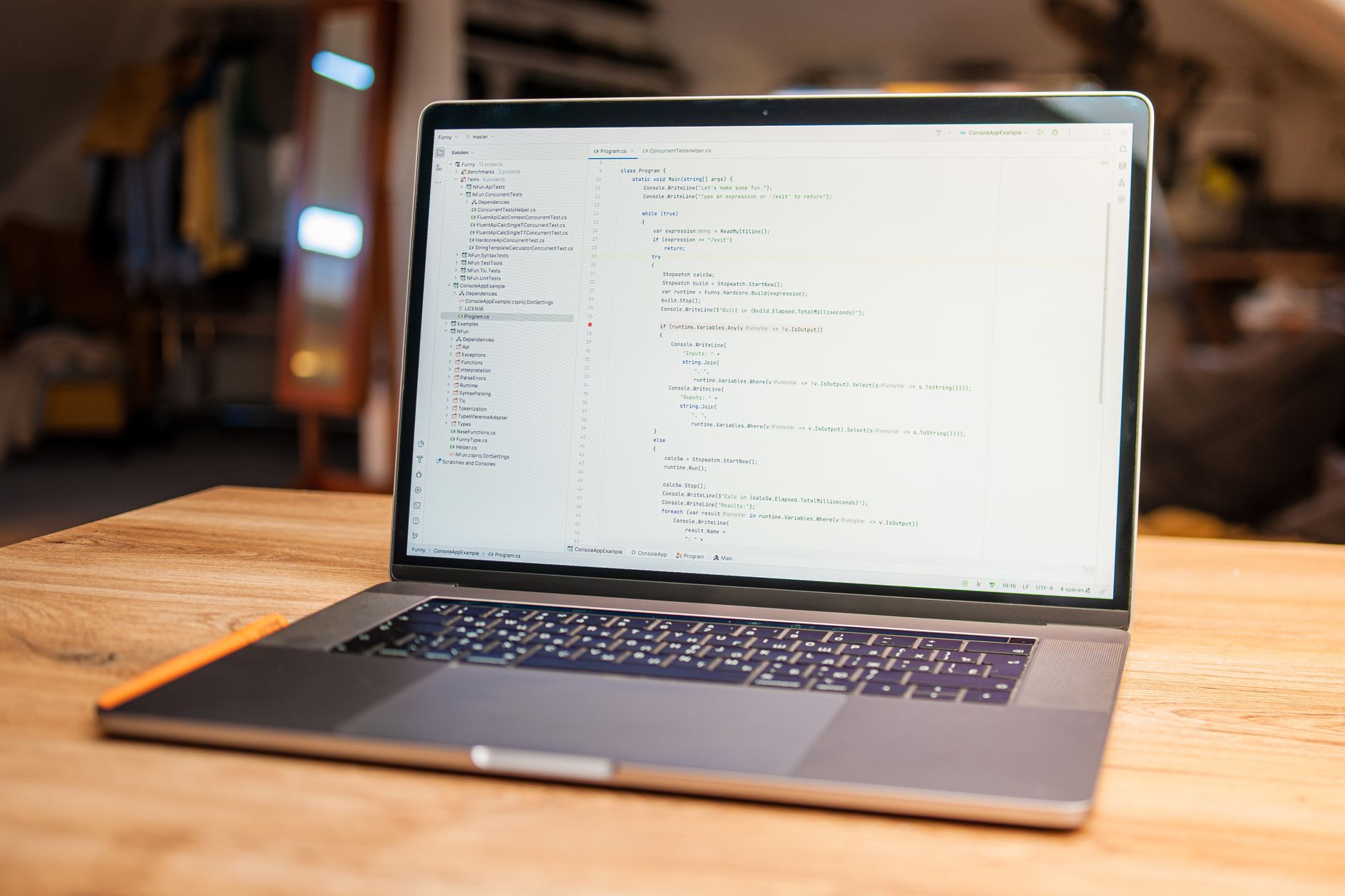

Boomcycle Digital Marketing, a Bay Area web design and SEO firm founded in 2003, has expanded its service offerings to integrate artificial intelligence and advanced digital marketing capabilities alongside its established web development and search engine optimization work. The company, which marked over 20 years of operations in the San Francisco region last September, announced multiple service expansions throughout late 2025 and early 2026—including new local SEO offerings for home services industries and an enhanced web development framework that combines AI tools with search data. For businesses looking to improve their online presence, these announcements signal a shift in how regional web design companies are structuring their service delivery to compete with both larger agencies and in-house marketing teams.
The company operates from headquarters in Pleasanton, California, with a secondary office in San Ramon, and serves clients throughout California and nationwide. Founded by David Victor, a computer science graduate from California State University East Bay who also happens to be a musician and former member of the platinum rock band Boston, Boomcycle has built its reputation on combining technical web development with marketing-focused optimization strategies. This expansion into new digital marketing services represents a consolidation of capabilities that were previously offered separately—bringing SEO, web design, Google Ads management, and AI-powered analytics into a more integrated framework.
Table of Contents
- What Services Did Boomcycle Actually Launch?
- Understanding Local SEO and Google Maps Ranking Services
- The AI Integration and “Intelligent Web Design” Framework
- Pricing, Project Minimums, and Practical Considerations
- AI Integration Limitations and Realistic Expectations
- The Company’s Track Record and Founder Background
- Regional Focus and Service Scope
- Frequently Asked Questions
What Services Did Boomcycle Actually Launch?
Boomcycle announced three major service expansions between November 2025 and January 2026. The November 2025 update involved enhancing its digital services portfolio to more explicitly combine web development with SEO and digital marketing strategy as an integrated offering rather than separate engagements. The December 2025 announcement focused on local SEO and Google Maps ranking services specifically targeting home services industries—plumbing, HVAC, electrical, roofing, and fencing contractors.
The January 2026 announcement centered on an enhanced web development framework that incorporates artificial intelligence and SEO data analytics into the design and development process, which the company refers to as “Intelligent Web Design.” These launches build on Boomcycle’s existing service suite, which already included web design and development, traditional SEO, Google Ads and PPC management, content marketing, social media management, Google My Business optimization, website speed optimization, and web hosting services. The new announcements represent a strategic packaging of these services—taking technologies and approaches the company had developed over two decades and reframing them around business outcomes like local search visibility and AI-assisted discovery processes. For a plumbing contractor in Sacramento or an electrical service in Oakland, this means Boomcycle is offering a specific service package aimed at ranking on Google Maps and local search results, rather than just general “we do SEO” services.
Understanding Local SEO and Google Maps Ranking Services
Local SEO focuses on optimizing a business’s online presence for location-based searches—when someone searches “plumber near me” or “HVAC services San Jose,” the goal is to appear in google‘s local results and Maps listings. This is distinct from general SEO, which targets broader, non-location-specific searches.
Boomcycle’s December 2025 launch specifically targets home services because these businesses typically serve defined geographic areas and rely heavily on local customer discovery—a homeowner’s leak doesn’t benefit them from ranking nationally, but ranking on the first page of local results directly drives phone calls and appointments. Local SEO involves multiple technical and operational components: ensuring Google My Business profiles are fully optimized with accurate business information, photos, and service categories; building local citations in directories like Angi and HomeAdvisor; generating location-specific content; gathering customer reviews (which heavily influence local rankings); and managing NAP consistency (Name, Address, Phone) across the web. A limitation worth noting is that local SEO results are highly competitive in dense urban markets—a plumbing service in San Francisco faces more competition for local rankings than one in a smaller town, and the difficulty of ranking first often depends on how established competitors are and how recently they’ve invested in local SEO themselves.
The AI Integration and “Intelligent Web Design” Framework
Boomcycle’s January 2026 announcement about integrating artificial intelligence into web development reflects a broader industry trend toward using AI for business discovery, customer research, and optimization recommendations. According to the company’s materials, the framework uses AI tools and data analytics to inform web design decisions—meaning the design process starts with search engine research, competitive analysis, and AI-generated insights about what content and functionality the target audience is actually searching for, rather than beginning with aesthetic preferences or assumptions.
A practical example of this approach: instead of designing a website for a roofing contractor based on what looks good or what competitors have, the AI-informed framework would identify what search queries potential customers use (“roof repair vs replacement costs,” “new roof installation timeline,” “roofing material comparison”), analyze what content ranks for those queries, and structure the website to target those specific search behaviors. This represents a shift from design-first to search-data-first web development. One consideration is that this approach works best for service-based and product-based businesses with clear customer search behaviors—it’s less applicable for brand-building, entertainment, or niche projects where the customer journey doesn’t follow predictable search patterns.
Pricing, Project Minimums, and Practical Considerations
According to Boomcycle’s Clutch profile, the company’s minimum project size is $5,000 or higher, with average hourly rates in the $150–$199 range. For home services contractors or small businesses, a $5,000+ minimum is a meaningful commitment that rules out small single-service projects—it suggests engagements are built around comprehensive website redesigns, multi-month SEO campaigns, or combined web development and digital marketing work. The hourly rate range positions Boomcycle in the mid-to-upper tier for regional web design and SEO work; in many markets, freelance developers charge $50–$100/hour, while larger national agencies may run $200–$400+/hour.
A business deciding between Boomcycle and alternatives faces a tradeoff between cost and hands-on support. Working with a regional agency like Boomcycle means direct communication with a team that understands Bay Area markets and specific industries (the local SEO focus on home services is an example), whereas hiring a freelancer might save 30–40% on hourly rates but typically includes less strategic guidance and accountability. Conversely, a national agency might have more resources and case studies but often lacks regional market expertise and can be difficult to reach for small-to-mid-market clients. Boomcycle’s $150–$199/hour range and established 20-year track record suggests a middle ground—more expensive than freelancers, less expensive than top-tier national firms.
AI Integration Limitations and Realistic Expectations
While AI-informed design and content strategies sound compelling, there are real limitations to understand. AI tools can identify what people are searching for and what content currently ranks, but they cannot guarantee ranking position—search rankings depend on dozens of factors including domain authority, backlink profile, content quality, technical performance, and competitive dynamics. A website built using Boomcycle’s AI-informed framework may be optimized for searcher intent and algorithm factors, but ranking first for competitive terms still requires time, ongoing optimization, and often paid advertising to supplement organic efforts.
Another limitation is that AI-generated insights, while useful, can over-index on current search trends and fail to account for differentiation or brand positioning. An HVAC company might optimize heavily for “lowest price HVAC replacement,” but if their actual business model is premium service and quality, that misalignment can hurt long-term brand perception. The framework works best when business owners are clear about their competitive positioning and target market before the AI analysis begins—the technology amplifies strategy, but doesn’t replace strategic thinking.
The Company’s Track Record and Founder Background
David Victor founded Boomcycle (originally as DVI Web Works) in 2003, which means the company was operating through the dot-com aftermath, the rise of mobile web, the SEO algorithm shifts of the 2010s, and the recent AI boom. A 20-year operational history suggests the company has survived multiple market shifts and business model evolution. Victor holds a Bachelor of Science in Computer Science from California State University East Bay, providing technical grounding in software development—relevant context given that the company emphasizes both web design and technical SEO.
Interestingly, Victor is also a professional musician and was a member of the rock band Boston from 2010 to 2014, where the band had a number-one Classic Rock hit. This background is worth noting not as marketing trivia but because it reflects how business founders often operate in parallel roles; running a web design agency and maintaining a music career requires compartmentalization and delegation, which likely influenced how Boomcycle scaled from a single founder operation to a team-based agency. The company is verified with the Better Business Bureau in San Ramon, California, which provides a basic third-party confirmation of business legitimacy.
Regional Focus and Service Scope
Boomcycle’s services are available throughout California and the United States, though the company is based in and deeply familiar with the San Francisco Bay Area market. This regional anchor matters because Bay Area markets (San Francisco, Oakland, San Jose, Silicon Valley) have distinct characteristics—higher competition, more sophisticated businesses with marketing budgets, and specific industries like technology, venture capital, and biotech that dominate the region. A contractor or service business in these markets faces different competitive and pricing dynamics than the same business in a mid-sized city elsewhere.
The company’s focus on helping businesses “rank on Google page one” is straightforward—it’s the core promise of most SEO and digital marketing work, but stating it explicitly reflects that Boomcycle’s success is measured by search visibility. For service-based businesses, local search visibility is directly tied to revenue (a first-page local Google Maps result drives customer calls), making the metric relevant. Boomcycle’s positioning across web design, SEO, Google Ads management, and now AI-informed frameworks suggests the company aims to be a one-stop shop for businesses that need multiple digital capabilities rather than requiring clients to hire separate specialists for each function.
Frequently Asked Questions
What’s the difference between local SEO and regular SEO?
Local SEO focuses on location-based searches and Google Maps rankings for geographically defined services (plumbing, HVAC). Regular SEO targets broader, national search queries and works for businesses serving nationwide audiences or selling information products.
Does Boomcycle’s AI-informed design guarantee ranking improvements?
No. The AI research informs design and content strategy based on search behavior and competitive analysis, but ranking depends on many factors including domain authority, backlinks, technical performance, and competition. The framework optimizes for searcher intent but cannot guarantee positions.
Is the $5,000+ minimum project size typical for web design agencies?
Mid-tier regional agencies often have $5,000–$10,000 minimums for meaningful projects. Freelancers may accept smaller budgets; large national agencies often require $15,000+. The minimum typically reflects the scope of work needed to produce meaningful results.
What home services industries are targeted by the December 2025 local SEO launch?
Plumbing, HVAC, electrical, roofing, and fencing contractors are the specifically mentioned focus areas, though local SEO principles apply to other service trades as well.
How does regional expertise matter when choosing a web design agency?
Regional agencies understand local market dynamics, competitor strategies, and industry-specific nuances. This can result in more relevant recommendations, but national agencies may have broader resources and case studies across industries.
Is Boomcycle verified as a legitimate business?
Yes. The company has a verified Better Business Bureau profile as a business in San Ramon, California, and appears on established agency directories like Clutch and DesignRush.