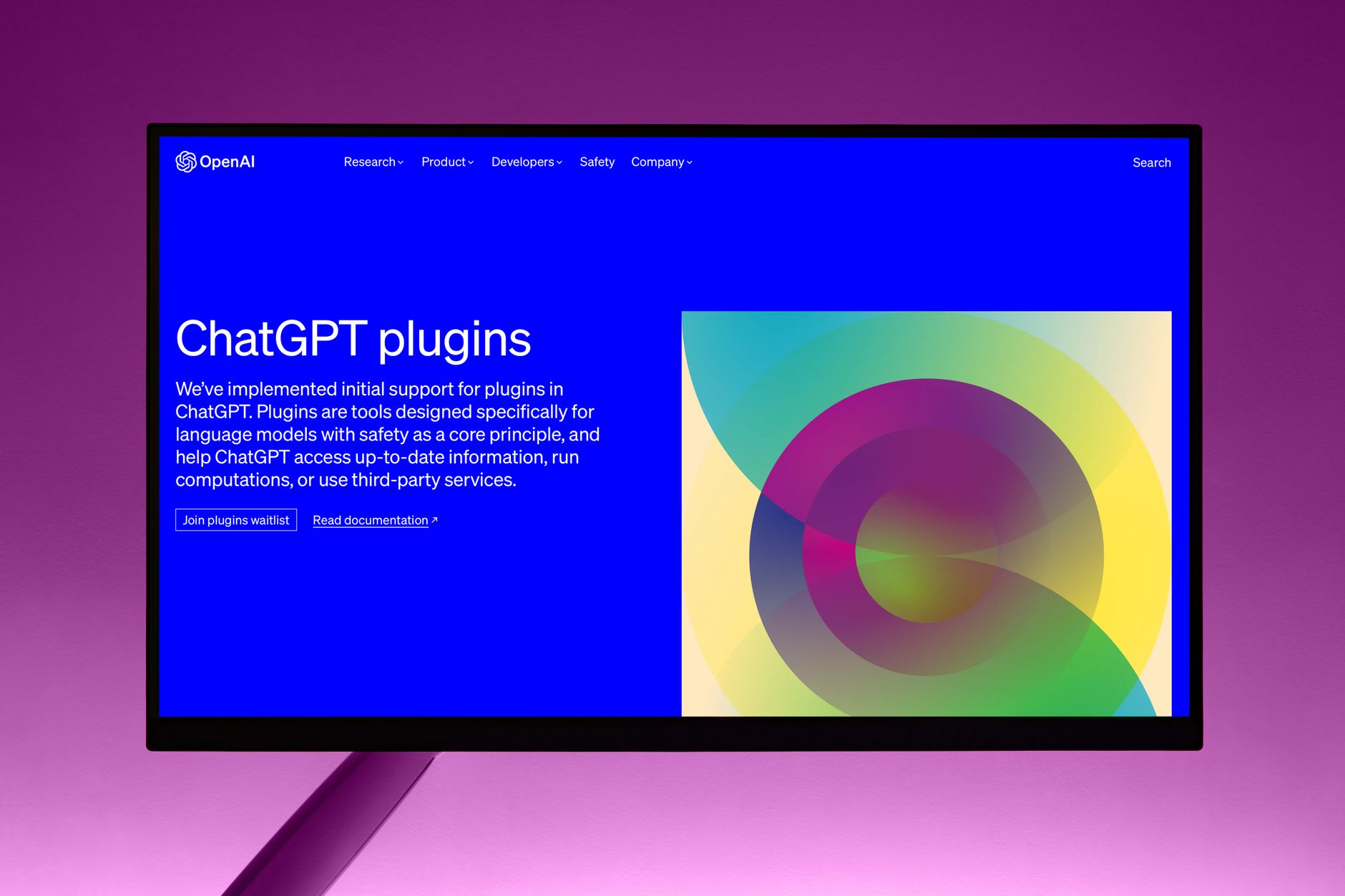

Recent data suggests that ChatGPT Search is beginning to capture search traffic that traditionally went to established search engines, with reports indicating a measurable decline in search visits. This shift reflects a fundamental change in how users discover and consume information online, moving away from traditional keyword-based results toward conversational AI responses that attempt to synthesize and summarize answers directly.
For web developers, SEO professionals, and digital marketers, this represents both a challenge and a catalyst for rethinking content strategy and user acquisition channels. The exact magnitude of this traffic shift varies by source and methodology, but the directional trend is clear: some portion of searches that once went to Google or other traditional engines are now being handled by ChatGPT Search and similar AI-powered alternatives. This is not a hypothetical concern anymore—it’s happening in real time, and organizations that publish content online need to understand what’s changing, why, and how to respond.
Table of Contents
- Why Is ChatGPT Search Pulling Traffic Away from Traditional Search Engines?
- The Visibility Problem: How Content Gets Buried or Ignored
- Which Content Types and Topics Are Most Affected?
- Adapting Your Content Strategy When Search Traffic Changes
- The Risk of Over-Reliance on Citation and Attribution
- The Competitive Pressure on Google and Other Search Engines
- Monitoring Your Search Traffic and Adapting Metrics
- Frequently Asked Questions
Why Is ChatGPT Search Pulling Traffic Away from Traditional Search Engines?
ChatGPT search appeals to users who want answers without browsing multiple links. Instead of clicking through ten blue links on a google results page, users can ask ChatGPT a question and receive a narrative response with cited sources. This convenience factor is powerful, especially for informational queries where the user’s goal is to understand a topic quickly rather than to browse a publisher’s website. The speed and directness of the interaction can feel more efficient than traditional search.
However, this convenience comes with real tradeoffs. ChatGPT Search’s responses can be outdated, hallucinated, or incomplete—and users don’t always notice because the answer arrives with apparent confidence. A developer searching for the current syntax of a JavaScript API might receive an answer based on an older version of the language. A marketer researching recent algorithm changes might get information that’s months out of date. The citations provided by ChatGPT Search offer some accountability, but they’re not foolproof, and many users don’t click through to verify the sources cited.
The Visibility Problem: How Content Gets Buried or Ignored
When a user gets their answer directly from ChatGPT Search rather than clicking to your website, your content is invisible. It doesn’t generate a page view, doesn’t trigger an ad impression, doesn’t build your domain authority through traffic, and doesn’t allow you to present your full expertise or capture the user’s attention for potential conversion. This is especially damaging for small publications or specialized sites that depend on organic search traffic to survive. The risk deepens for niche content creators and independent writers.
If your long-form article about a technical topic used to rank well in Google and capture readers, that same traffic is now more likely to be consumed as a summary within ChatGPT Search—without ever reaching your domain. This creates an economic problem: AI summaries benefit users but reduce the audience size for the original publishers, making it harder to justify the time and cost of research, writing, and maintenance. Additionally, ChatGPT Search has limited ability to index and cite very recent content. If you publish breaking news, breaking technical changes, or time-sensitive advice, traditional search engines may reach your content faster than AI search indexes do. This creates a temporary advantage for fast-moving news sites and technical publications, but only if they’re actively appearing in Google’s results.
Which Content Types and Topics Are Most Affected?
Informational and educational content faces the greatest immediate impact. Queries like “how to center a div in CSS,” “what is the difference between Agile and Scrum,” or “best practices for WordPress security” are exactly the kinds of searches that ChatGPT Search handles well. Users get a direct, comprehensive answer without needing to visit a publisher.
This hurts educational blogs, coding tutorials, and how-to sites that built their audiences on ranking for these queries. news and time-sensitive content, by contrast, has more resilience because ChatGPT Search’s knowledge is not real-time. A breaking story about a new Google algorithm update, a major security vulnerability, or an unexpected platform change will appear in traditional search results faster than it will be incorporated into ChatGPT Search’s training data. Publishers who excel at covering breaking news can still capture audience through search, though the window of advantage is narrow.
Adapting Your Content Strategy When Search Traffic Changes
One practical response is to optimize for being cited and linked by AI systems, not just by human readers. This means writing clearly, adding structured data (schema markup), and including citations to credible sources so that when AI systems summarize your content, they can cite it accurately. Another approach is to create content that is so comprehensive, authoritative, or opinion-driven that it becomes a resource that both humans and AI systems refer to repeatedly.
A second strategy involves diversifying your traffic sources. Platforms like LinkedIn, email newsletters, social media, and direct partnerships can send traffic to your content independent of search. A SaaS company that previously relied on Google search to drive signups can build an email newsletter around the same topics, creating a direct channel to an audience that doesn’t depend on search ranking or AI intermediaries. This requires more effort upfront but creates less fragile traffic.
The Risk of Over-Reliance on Citation and Attribution
While ChatGPT Search does provide citations, the citations are often links to the original sources—which means traffic flows away from your site to wherever ChatGPT points. If your article is cited but users find the original source that ChatGPT references, they may never visit your domain. This creates a scenario where visibility and authority benefit the AI system’s curator (in this case, OpenAI) more than the original publisher.
Furthermore, AI summaries can strip away the nuance, caveats, and detailed reasoning that make your content valuable. A one-paragraph summary of a 3,000-word investigation loses the investigative work, the reasoning, and the depth that justifies your expertise. Users who read only the AI summary miss what makes your original contribution unique, and they have no incentive to click through and engage with the full article.
The Competitive Pressure on Google and Other Search Engines
Traditional search engines are responding by improving their own AI summaries, integration of generative results, and attempts to keep users within their own ecosystems. Google’s Search Generative Experience (SGE) and similar features are an attempt to compete with ChatGPT Search by providing summary answers directly on Google’s results pages.
This arms race benefits users in the short term by improving summary quality, but it further reduces click-through rates for publishers who depend on that traffic. The dynamics are unstable because if search engines show perfect summaries without requiring users to leave the search engine, publishers lose even more traffic than they would to ChatGPT Search. Ironically, this creates a scenario where both traditional search engines and AI search startups are working against the economic interests of content publishers.
Monitoring Your Search Traffic and Adapting Metrics
Tracking the source of your traffic has become more complex and more important. If your organic search traffic from Google drops 10-15% but you can’t clearly explain why, one possibility is that some of your traditional queries are being handled by alternative search systems that don’t send you traffic. Analytics tools show you traffic that arrives at your domain, but they don’t show you the traffic that was converted to AI summaries and never reached you.
One concrete step is to monitor ranking changes in Google Search Console alongside tracking traffic trends by content type and query intent. If your how-to articles are dropping in impressions faster than your news or opinion pieces, you can infer that informational queries are being diverted to AI summaries. This insight lets you make strategic decisions about where to invest your content effort and whether to diversify into channels less dependent on traditional search.
- —
Frequently Asked Questions
Does ChatGPT Search help or hurt my website traffic?
It typically hurts, because users get answers without clicking to your site, though you may gain authority if ChatGPT cites your content as a source.
Should I optimize for ChatGPT Search like I do for Google?
Indirectly—write clearly, cite sources, add structured data, and build authority so AI systems cite you accurately.
What types of content are most at risk?
Informational queries (how-tos, definitions, comparisons) are most vulnerable; breaking news and expert opinion still benefit from traditional search.
How do I measure traffic loss to AI search?
Track changes in organic impressions and click-through rates by content type in Google Search Console; drops in how-to content may indicate AI summary diversion.
What’s the fastest way to adapt my traffic strategy?
Diversify traffic sources—build email lists, strengthen social channels, create newsletter content, and reduce reliance on organic search alone.