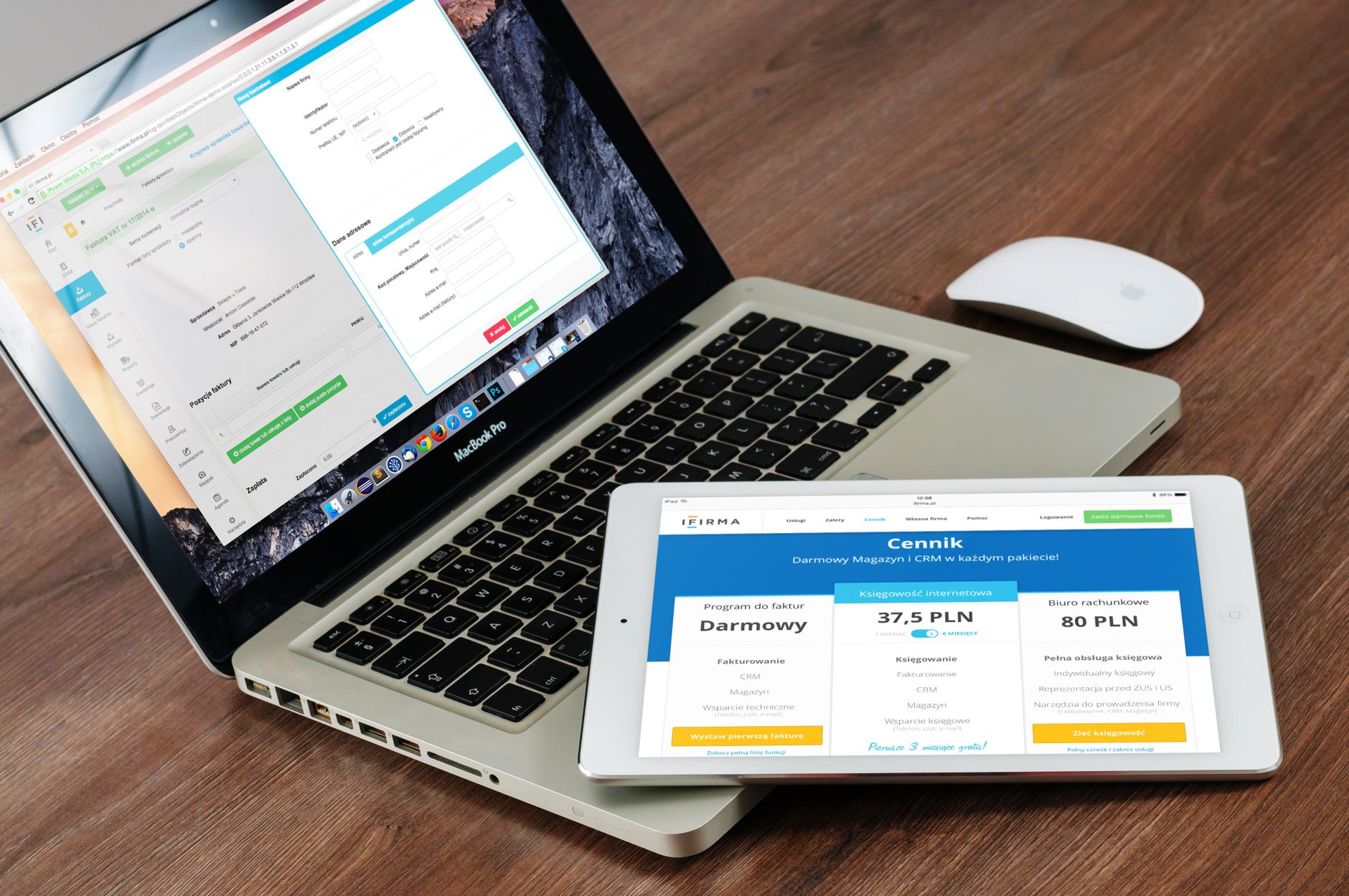

KingExch’s 2026 mobile system upgrades represent a significant shift toward delivering enhanced digital customer experiences through a mobile-first platform architecture. On June 26, 2026, the company announced comprehensive enhancements designed around responsive design and optimized page loading, marking a clear strategic priority to meet users where they spend most of their time—on mobile devices. For a platform managing digital interactions and transactions, this commitment translates directly into improved performance: users accessing KingExch through smartphones and tablets now encounter faster load times, clearer navigation interfaces, and login experiences that adapt seamlessly to smaller screens.
The upgrades reflect a broader industry trend where mobile-first design has moved from competitive advantage to operational necessity. Rather than retrofitting a desktop-centric platform for mobile users, KingExch built these enhancements with mobile as the primary design target, then scaled up to larger screens. This architectural approach differs fundamentally from previous mobile optimization strategies that often resulted in stripped-down versions of full-featured platforms, delivering instead a cohesive experience across all device sizes.
Table of Contents
- How Does KingExch’s Mobile-First Redesign Improve Platform Performance and Usability?
- What Security Measures Accompany KingExch’s Enhanced Authentication Systems?
- How Do Personalization Features Enhance User Engagement and Platform Stickiness?
- What Practical Advantages Do These Upgrades Deliver for Different User Segments?
- What Common Implementation Challenges Arise During Mobile Platform Redesigns?
- How Do Page Loading Optimizations Impact User Experience and Conversion Metrics?
- What Does KingExch’s Ongoing Investment in Mobile Innovation Signal About Platform Direction?
How Does KingExch’s Mobile-First Redesign Improve Platform Performance and Usability?
The mobile-first approach KingExch implemented focuses on two distinct but interconnected improvements: responsive design and optimized page loading. Responsive design ensures that user interfaces, content layouts, and interactive elements adjust smoothly whether accessed on a 5-inch phone screen, a 10-inch tablet, or a desktop monitor. Optimized page loading addresses the technical side—reducing file sizes, implementing lazy loading for images and content, and streamlining backend queries to deliver faster initial page render times. For web developers and digital marketing professionals, these upgrades carry practical implications. A platform that loads faster on mobile connections—particularly important for users in regions with moderate network speeds—reduces bounce rates and improves engagement metrics.
When a login screen appears in under two seconds rather than five, user frustration decreases measurably, directly impacting retention. KingExch’s announcement indicates this optimization extends across the entire platform, not just the critical path to account access. The responsive design component also simplifies content management workflows for administrators. Rather than maintaining separate mobile and desktop templates, a properly implemented responsive system allows marketers and content teams to publish once and ensure consistent presentation across devices. This reduces the overhead of duplicate content creation and testing.
What Security Measures Accompany KingExch’s Enhanced Authentication Systems?
Mobile platforms present unique security challenges that differ from desktop environments. Users on public WiFi networks, shared devices, and less controlled settings require stronger protection mechanisms than those traditionally implemented in corporate office environments. KingExch addressed this by implementing modern authentication technologies, encrypted data transmission, and multiple layers of account protection—a multi-layered security model rather than relying on passwords alone. The enhanced login experience mentioned in the announcement likely incorporates methods such as two-factor authentication, biometric verification, or device fingerprinting. These approaches improve both security and user convenience: a fingerprint-authenticated login is simultaneously more secure than a typed password and faster to execute on a mobile device. However, this represents a tradeoff worth noting.
Biometric authentication increases security for the individual user account but creates operational complexity for support teams when users forget credentials or switch devices. Organizations implementing similar upgrades should plan for increased support ticket volume during the transition period. Encrypted data transmission ensures that information traveling between the user’s device and KingExch servers remains protected even on compromised networks. For platforms handling sensitive user information, this layer proves essential. Yet implementation often introduces measurable latency—encryption and decryption consume processing resources. KingExch’s optimization work likely included careful tuning to ensure security enhancements don’t noticeably slow platform performance, a balance that requires ongoing monitoring.
How Do Personalization Features Enhance User Engagement and Platform Stickiness?
The upgrades include tailored content delivery based on user preferences and platform interactions, implemented through customized dashboards and relevant notifications. This personalization layer transforms the platform from a generic tool into an individualized environment—each user sees content, features, and communications shaped by their previous behavior and stated preferences. A user who frequently checks sports-related information receives dashboard widgets and notifications prioritizing that category, while another focusing on financial planning sees different promoted features. For digital marketing teams, personalization provides measurable advantages: users engage more frequently with interfaces reflecting their interests. Customized dashboards also reduce cognitive load by surfacing information users actually need rather than overwhelming them with universal content.
The notification system, when properly calibrated, becomes a retention tool rather than an annoyance—notifications that genuinely align with user interests drive return visits; poorly targeted notifications trigger muting and disengagement. The limitation here involves data collection and privacy considerations. Effective personalization requires understanding user behavior, preferences, and patterns—information that platforms must collect, store, and analyze. Users must explicitly consent to this data collection in most jurisdictions, and privacy regulations impose constraints on how platforms can use behavioral data. KingExch’s implementation must navigate these requirements while delivering the promised personalization benefits.
What Practical Advantages Do These Upgrades Deliver for Different User Segments?
For casual users accessing the platform occasionally, the simplified navigation and improved login process directly reduce friction. A user accessing the platform twice monthly from different devices experiences faster authentication, clearer pathways to desired features, and familiar interface layouts regardless of whether they last logged in from a phone or desktop. These seemingly small improvements compound into substantially improved user satisfaction when evaluated across actual usage patterns. Power users who spend hours daily on the platform benefit from the customized dashboards and optimized performance.
Developers integrating with KingExch’s platform similarly benefit from faster API response times that result from the performance optimization work. The responsive design also affects developers: building applications that integrate with a mobile-responsive platform requires fewer conditional code paths and fewer device-specific workarounds. For administrators and support teams, the security enhancements create additional responsibilities. Managing multi-factor authentication systems, handling device registration requests, and troubleshooting biometric authentication failures all require additional staff training and documentation. Organizations must weigh these support costs against the security benefits delivered.
What Common Implementation Challenges Arise During Mobile Platform Redesigns?
Mobile-first platform upgrades frequently encounter data synchronization challenges when users switch between devices mid-session. If a user begins a task on their phone, walks to their desktop, and attempts to continue, the platform must seamlessly preserve session state. Improper implementation creates frustrating experiences where users lose progress or encounter inconsistent data across devices. KingExch’s architecture must address this through robust session management and real-time data synchronization. Legacy systems present another common obstacle.
Many platforms contain accumulated technical debt—older code written for different architectures that must coexist with new mobile-first systems. The transition requires careful API versioning to ensure existing integrations continue functioning while new mobile clients use enhanced capabilities. This doubled maintenance burden often explains why platforms release mobile upgrades gradually rather than all at once. Performance testing under realistic mobile conditions reveals additional challenges rarely visible in desktop testing environments. Slower network connections, intermittent connectivity, and lower processing power in older mobile devices all impact how the platform behaves. KingExch’s optimization work indicates investment in this realistic testing, but platforms frequently discover new issues once millions of users access upgraded systems across genuinely variable network conditions.
How Do Page Loading Optimizations Impact User Experience and Conversion Metrics?
Page loading speed directly correlates with user behavior in measurable ways. Research consistently demonstrates that each additional second of page load time increases bounce rates—users closing the site without interacting meaningfully. For platforms like KingExch where engagement drives value, this creates direct business impact.
Optimizations reducing average load time from four seconds to two seconds typically improve completion rates for key user actions. Mobile networks introduce additional complexity because connection speed varies dramatically—from 4G LTE at 10+ megabits per second to older 3G networks at 1-2 megabits per second, and occasional degraded conditions where devices fall back to even slower speeds. KingExch’s loading optimizations must account for this variance, ensuring acceptable performance even for users on modest connections. This typically involves aggressive asset compression, asynchronous loading of non-critical features, and careful code splitting to deliver only essential functionality on initial page load.
What Does KingExch’s Ongoing Investment in Mobile Innovation Signal About Platform Direction?
KingExch’s stated commitment to ongoing investment in mobile-first innovation and platform performance improvements indicates this represents core strategy, not a one-time modernization project. Companies typically signal this level of commitment when market data clearly shows mobile usage dominance, conversion metrics justify the investment, or competitive pressure demands parity with mobile-forward competitors. The June 26, 2026 announcement represents an initial rollout, but the platform roadmap includes continued enhancement cycles.
For users evaluating or integrating with the platform, this signal carries weight. Sustained investment in platform modernization reduces obsolescence risk—a platform receiving continuous updates typically remains viable longer than one entering maintenance-mode stagnation. For web developers and digital agencies recommending platforms to clients, visible commitment to mobile-first architecture and ongoing optimization increasingly influences platform selection decisions.
- —